Insider tips to avoid wedding flowers mistakes in West Kensington
Posted on 12/10/2026
Wedding flowers can look effortless on the day, but getting them right takes more planning than people expect. If you are looking for insider tips to avoid wedding flowers mistakes in West Kensington, you are probably trying to dodge the usual headaches: bouquets that clash with the venue, blooms that wilt before the confetti, or a design that looks lovely online but feels a bit off in real life. Fair enough. West Kensington has its own pace, its own venues, and its own little practical quirks, so the smartest approach is to plan flowers with the location, timing, and season in mind.
This guide walks you through the mistakes couples make most often, how to prevent them, and what to ask before you commit. You will also find a checklist, a comparison table, and a realistic example from a West Kensington-style wedding day. Let's make the flower side feel calm, not chaotic.
Why Insider tips to avoid wedding flowers mistakes in West Kensington Matters
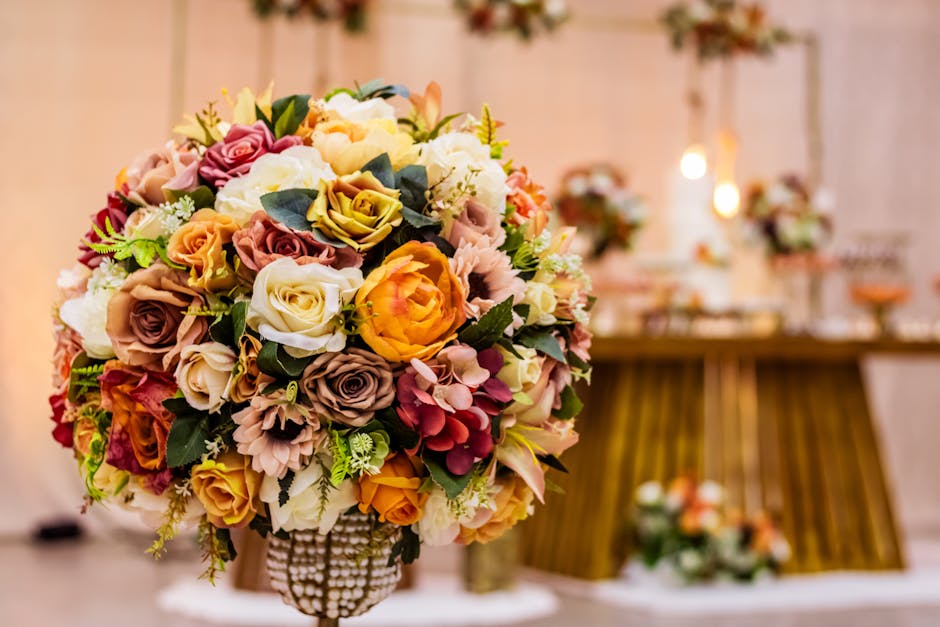
Wedding flowers are not just decoration. They shape the mood of the day, guide the colour story, and show up in nearly every photo. In West Kensington, where you may be working with a town-hall-style ceremony, a hotel ballroom, a smaller private room, or a local reception space, floral choices need to do more than look pretty in a mood board. They have to hold up in the real world.
That matters because the most common wedding flower mistakes are usually avoidable. People order too late, choose the wrong size arrangements for the room, or pick flowers without checking seasonality and delivery windows. One couple may want soft romantic blush tones, but then discover their venue has dark walls, warm lighting, and very little natural light. Suddenly the flowers disappear in photos. Not ideal.
West Kensington weddings also tend to involve a bit of logistics. Narrower roads, limited loading space, busy timing around the day, and venue access restrictions can all affect setup. So yes, flowers are creative, but they are also practical. Truth be told, the best floral plans are the ones that look beautiful and survive the schedule.
For that reason, couples often do well to start with a florist who understands both design and delivery. If you are still comparing options, browsing a trusted florist in West Kensington W14 can help you see what is realistic for the area, not just what looks good on Pinterest at midnight.
How Insider tips to avoid wedding flowers mistakes in West Kensington Works
At its simplest, the process is about matching three things: your vision, your venue, and your timeline. When those three line up, flowers feel effortless. When one of them is ignored, problems start creeping in. The whole thing is a bit like planning a dinner party for twenty people in a tiny flat kitchen. It can be lovely, but only if you know where the bottlenecks are.
First comes the brief. This is where you decide what the flowers need to do. Are they mainly for the ceremony backdrop? The aisle? Bridesmaid bouquets? Table arrangements? Buttonholes? Do you want a full floral statement, or a lighter, more budget-aware look? Many mistakes begin when couples say, "We just want nice flowers," and leave it there. Nice is not enough. Specific is better.
Next comes design alignment. Your florist should consider the venue size, table shapes, lighting, and even the journey flowers will take from van to display. For example, a hand-tied bouquet for the bridal party needs different handling from a low table centrepiece. If you want something with structure and longevity, a design closer to a wedding table arrangement may be more practical than a very loose, cascading style that is likely to shift during transport.
Then there is timing. Flowers are living material, so timing really matters. Same-day or next-day delivery can be useful for some elements, but wedding flowers often need more planning than ordinary gifts. Delivery schedules, setup slots, and venue access all need to be checked properly. If you are wondering how that works in practice, review the florist's delivery information and do not assume "delivery day" automatically means "installation complete by magic." Sadly, it does not.
Finally, there is aftercare. Fresh water, shade, careful storage, and sensible handling can make the difference between blooms looking crisp and looking tired by 6 p.m. A good florist will explain the care side clearly, especially for bouquets and floral pieces that need to last from morning prep through evening dancing.
Key Benefits and Practical Advantages
Getting wedding flowers right is not just about aesthetics. The practical advantages are huge, and they are often the part couples appreciate most once the day is underway.
- Less stress on the day. If the flowers are ordered properly, delivered on time, and sized correctly, you are not solving problems in your dress shoes.
- Better photos. Balanced colours and correctly scaled arrangements help the photographer capture the room, the couple, and the details without visual clutter.
- More value for money. Proper planning avoids overspending on blooms that are too large, too delicate, or unsuitable for the season.
- Better venue harmony. Flowers that suit the space make the whole event feel intentional. It is a small thing, but it changes the atmosphere a lot.
- Fewer last-minute substitutions. When the brief is clear, florists can suggest seasonal alternatives before the wedding rather than on the morning of.
There is also a quieter benefit: confidence. Once you know the flowers are sorted, one major chunk of the wedding day feels settled. And honestly, that peace of mind is worth a great deal.
Couples who want a simple but polished look often start by choosing a wedding range that already fits the style of the day, such as a curated weddings collection or a specific bouquet style that matches the dress, venue, and season.
Who This Is For and When It Makes Sense
This advice is for anyone planning a wedding in West Kensington who wants to avoid expensive, awkward, or avoidable floral mistakes. That includes couples planning a large formal celebration, but also those arranging a smaller registry-style wedding with just a bouquet, buttonhole, and a few table pieces. Small weddings can be just as tricky, by the way. Sometimes more so, because every stem is visible.
You will find this especially useful if you are:
- planning your wedding from outside London and cannot visit the venue often;
- working to a firm budget and need flowers to pull their weight;
- balancing a specific colour palette with a seasonal flower list;
- trying to coordinate multiple items like bridal bouquets, bridesmaid bouquets, buttonholes, and reception arrangements;
- getting married in a venue with strict setup windows or limited access;
- not sure whether you want classic, modern, romantic, or minimal florals;
- looking for a florist who can handle the whole thing without fuss.
It also makes sense if you are the person in the group who likes a plan. You know who you are. The one with the spreadsheet, the notes app, and maybe a mild panic when the word "venue restrictions" appears. That instinct helps. Flowers are one of those wedding details that reward calm planning.
Step-by-Step Guidance
Here is the cleanest way to avoid the common wedding flower traps in West Kensington.
1. Start with the venue, not the bouquet
People often do this in the wrong order. They fall in love with a bouquet on social media, then try to fit the rest around it. Better to begin with the venue. Ask what the room needs. Is it tall and airy, or low-ceilinged and intimate? Is there a lot of daylight, or more evening lighting? The shape of the room should influence the flower style.
2. Build a flower list by priority
Do not treat every arrangement as equally important. Decide what matters most. For many couples, the bridal bouquet and ceremony flowers are top priority, while other items can be simpler. This helps you spend wisely and avoid over-ordering. A useful rule of thumb: design the biggest visual impact first, then work down to the smaller supporting pieces.
3. Check seasonal availability early
Seasonal flowers are usually fresher, more predictable, and often better value than forcing out-of-season stems. If you love peonies in a month when they are hard to source, be ready for alternatives. A sensible florist will not pretend every bloom is always available. That honesty is a good sign.
4. Confirm delivery, setup, and holding plans
Wedding flowers need choreography. Who is receiving them? Where will they be kept? Does the venue allow early access? What happens if there is traffic or a timing delay? These questions sound boring, but they protect your whole day. If your florist offers local delivery and setup, ask exactly what is included rather than assuming. Wedding flowers and transport are a team effort.
5. Request samples or reference images with context
Photos are useful, but only if they reflect the style you actually want. A floral style that works for a grand manor house may feel too heavy in a smaller West Kensington venue. When you share reference pictures, explain what you like about them: the colours, the shape, the fullness, or the relaxed feel. That makes the conversation much sharper.
6. Approve substitutions before the wedding
Substitutions happen. That is normal. The mistake is leaving them entirely unplanned. Ask the florist what they would use if a particular bloom is unavailable. If the answer sounds sensible, you are in good hands. If not, keep asking.
7. Plan the handover carefully
On the morning of the wedding, the flowers should not be a mystery box. Who collects them? Where do they go first? Which bouquet belongs to whom? A simple name label system helps more than people expect. One rushed wedding morning can turn tidy planning into a scramble, and nobody wants to be arguing over which buttonhole is whose while someone is trying to find the car keys.
Expert Tips for Better Results
Here are the little things experienced couples and florists tend to know, but first-time planners often miss.
- Choose flowers that support the dress, not compete with it. If the dress has texture, lace, or detail, overly busy bouquet shapes can clash. Sometimes simpler is stronger.
- Match scale to photography. Large rooms and group shots can make tiny bouquets vanish. Smaller rooms can make oversized arrangements feel crowded. Scale matters more than many people think.
- Use foliage thoughtfully. Greenery can add softness and shape, but too much can make arrangements feel heavy or dull. A good florist will balance it rather than loading it on.
- Be careful with strong scent. Some flowers smell gorgeous up close but can overwhelm small spaces. In enclosed venues, subtle is often safer.
- Keep one design thread running through everything. This might be the same rose family, same colour temperature, or same style of arrangement. It helps the whole wedding feel coherent.
- Think about hands, not just tables. Bouquets, buttonholes, corsages, and table flowers all need to be comfortable to wear or easy to move around. People forget that bit.
One useful, slightly old-fashioned tip: walk through your venue plan in your head as if you are carrying a bouquet, a phone, and a drink at the same time. That sort of practical reality check catches a lot of problems before they become expensive.
If you want a more premium feel, you may prefer one of the curated designs in a collection such as luxury flowers, but even then, keep the venue scale and the wedding schedule in view. Luxury should look elegant, not overstuffed.

Common Mistakes to Avoid
Here is the part most couples actually need. These are the mistakes that cause the most regret.
1. Leaving the flowers too late
Good florists get booked, especially for wedding dates that fall on busy summer weekends. Waiting too long can limit your options and force compromises you would not otherwise have made.
2. Choosing flowers without considering the venue lighting
Blush, ivory, white, and pale pastels can disappear under certain lighting conditions. Meanwhile, very dark colours can feel heavy in a dim room. Lighting changes everything, even when the flowers themselves are beautiful.
3. Over-ordering because "more flowers = better"
Not always. In some venues, too many large arrangements make the room feel busy and reduce the impact of each design. Sometimes one strong feature piece does more than several average ones.
4. Ignoring transport and setup realities
Flowers do not teleport, sadly. If the florist has to cross town at peak time, or if venue access is awkward, timing needs to be built in. A rushed handover can lead to bent stems or delayed setup.
5. Forgetting the smaller items
Buttonholes, corsages, and bridesmaid bouquets need to sit comfortably with the rest of the design. If they are an afterthought, they can look mismatched. The small pieces are not small in visual effect.
6. Being too vague about colour
"Pink" can mean ten different things. Soft rose pink is not the same as hot pink. Warm white is not the same as icy white. Use reference images, fabric swatches, or even a photo of the dress if that helps.
7. Not asking about flower longevity
Some flowers are naturally more delicate than others. If your wedding includes long gaps between prep, ceremony, and reception, ask what will still look fresh by evening. A bouquet that starts strong and fades quickly is a classic disappointment.
8. Forgetting the practical handling of the bouquet
Bridal bouquets get held, moved, put down, picked up again, photographed, and sometimes left in a warm car for longer than planned. Design should account for that. It sounds obvious until it happens.
Tools, Resources and Recommendations
You do not need a huge toolkit, but a few simple resources can make the planning much smoother.
- Venue layout or floor plan: This helps determine arrangement size, aisle placement, and whether tall centrepieces will block sightlines.
- Colour swatches: A fabric sample, dress photo, or invitation design can help the florist match the mood accurately.
- Guest list and table count: Needed if you want to estimate how many centrepieces or small arrangements you may need.
- Delivery timing notes: Keep a written timeline for when the flowers should arrive, be placed, and be moved if necessary.
- Flower care guidance: A short care note from the florist is very useful, especially for bouquets held before the ceremony.
In practical terms, it also helps to look at the florist's broader range. Seeing the different forms, from bouquets to buttonholes to table arrangements, gives you a sense of style consistency. The wedding bouquets and supporting pieces in the bridal bouquet selection and buttonhole range can be a useful starting point when you are mapping the whole look.
If you want to keep the order simple, the florist's wedding collection pages are often more helpful than isolated products because they show how the full styling story hangs together. That is usually where clarity starts.
Law, Compliance, Standards, or Best Practice
Wedding flowers themselves are not heavily regulated in the way some other wedding services can be, but there are still sensible best-practice expectations. In the UK, reputable florists usually work with clear order terms, delivery arrangements, substitution policies, and refund or cancellation guidance. You should read those terms before paying, especially for a wedding order where timing matters more than usual.
It is also good practice to check any venue rules that affect florist access, setup times, candle use, table decor, or hanging installations. Different venues handle floral deliveries differently, and some will have strict windows or insurance requirements for contractors entering certain spaces. This is not dramatic, just normal event planning stuff.
From a consumer perspective, you should expect transparent communication about:
- what is included in the price;
- how substitutions are handled if a flower is unavailable;
- delivery and collection expectations;
- how changes are confirmed;
- what happens if your schedule shifts.
It is also worth reviewing the florist's general policies, including terms and conditions, returns and refund information, and any notes on guarantees. That does not mean you expect something to go wrong. It simply means you are planning properly. A calm wedding is usually the one where the small print was read in advance.
Options, Methods, or Comparison Table
Different flower planning approaches suit different weddings. Here is a quick comparison that may help.
| Approach | Best for | Strengths | Trade-offs |
|---|---|---|---|
| Fully bespoke floral design | Couples who want a highly tailored look | Best match for venue, dress, and colour palette | Needs more planning time and usually a clearer budget |
| Curated wedding collection | Couples who want style with less decision fatigue | Fast to understand, easier to coordinate, more consistent | Less flexible than a full bespoke build |
| Seasonal florist-choice order | Couples open to surprises and good value | Fresh, often practical, and usually efficient | Less control over exact stems |
| Minimal statement florals | Small weddings or tight spaces | Elegant, cost-conscious, and uncluttered | Needs strong styling so it does not look underdone |
For many West Kensington weddings, a hybrid approach works best: one or two standout arrangements, plus simpler supporting pieces. That way you get visual impact without overloading the venue. To be fair, that balance is often the sweet spot.
Case Study or Real-World Example
Picture a small West Kensington wedding in an intimate venue room with a late-afternoon ceremony and a short reception after. The couple wanted blush, ivory, and green florals, and at first they were tempted to go quite large with the bouquets because the reference photos looked gorgeous. Lovely photos, sure, but the venue itself had fairly compact tables and warm indoor lighting.
During planning, the florist pointed out three risks: oversized bouquets could look heavy in the photos, tall centrepieces might crowd the tables, and one of the requested flowers was likely to be less reliable in the wedding month. The couple adjusted the brief. They kept the bouquet elegant but not oversized, switched to lower table arrangements, and agreed a seasonal substitution in advance for the more delicate bloom.
On the day, the flowers looked crisp from the first photo to the evening cut of cake. More importantly, the couple did not have to think about them after the setup. The room felt coordinated, not crowded. Guests noticed the flowers, but they were not shouting for attention. That is usually the sign the planning worked.
The little lesson? Good wedding flowers do not announce themselves by being the biggest thing in the room. They support the room. Subtle difference, huge effect.
Practical Checklist
Use this checklist before confirming your wedding flowers in West Kensington.
- Have I chosen the venue before finalising the floral style?
- Do I know which flowers are seasonal for my wedding date?
- Have I decided which items matter most: bouquet, ceremony flowers, table arrangements, buttonholes, or all of them?
- Have I checked venue access, delivery timing, and setup restrictions?
- Have I shown the florist the dress style, colour palette, or mood board?
- Have I confirmed what happens if a flower is unavailable?
- Have I asked how long the blooms are likely to last on the day?
- Have I set a sensible budget and prioritised the most visible pieces?
- Have I checked the florist's terms, delivery details, and refund policy?
- Have I labelled or assigned flowers so handover is simple on the morning?
If you can tick most of those boxes, you are in a strong position. Not perfect, maybe. But very solid. And solid is what wedding planning needs more often than glamourous chaos.
Get a free quote today and see how much you can save.
Conclusion
Wedding flowers should feel joyful, not stressful. The best insider tips to avoid wedding flowers mistakes in West Kensington are simple at heart: start with the venue, plan around the season, be clear about priorities, and ask practical questions early. That approach keeps you away from the usual traps and helps your flowers look elegant in the room, in the photos, and in memory.
If you take one thing from this guide, let it be this: beautiful flowers are only half the job. Reliable timing, sensible scale, and clear communication do the rest. Get those right and the whole day feels easier. That calm feeling? Worth a lot.
And when the bouquet is finally in your hands, with everything else quietly working in the background, you will be glad you planned it properly.
Frequently Asked Questions
What are the most common wedding flower mistakes in West Kensington?
The biggest mistakes are booking too late, choosing flowers without considering the venue, ignoring delivery timing, and underestimating how lighting affects colour. Smaller spaces can also make oversized arrangements feel too heavy.
How far in advance should I book wedding flowers?
As early as you can, especially for popular dates. Early booking gives you better choice, more time to refine the design, and less pressure if you need to adjust flowers for seasonality or budget.
Can I use seasonal flowers and still make the wedding look luxurious?
Absolutely. Seasonal flowers often look fresher and more natural, and they can be arranged in a very polished way. Luxury comes from design balance, not just from rare blooms.
What should I ask a florist before confirming my wedding order?
Ask about availability, substitutions, delivery timing, setup, how long the flowers should last, and what is included in the price. If your venue has special access rules, mention those too.
How do I make sure my flowers match my dress and venue?
Share a dress photo, colour swatches, and venue details with the florist. The more context they have, the better they can balance scale, colour, and style so the flowers do not clash with the rest of the day.
Are big bouquets always better for wedding photos?
Not always. Big bouquets can be beautiful, but they need to suit the person holding them and the venue around them. If they are too large, they can hide the dress or feel awkward in portraits.
What if a flower I want is out of season?
Talk to the florist about a seasonal alternative that gives a similar shape or feel. That usually works better than forcing an unavailable bloom and risking a compromise in quality.
Should I choose a wedding flower collection or a bespoke design?
If you want simplicity and consistency, a curated collection can be ideal. If you want a very specific look or have unusual venue requirements, bespoke design may be the better route.
How can I keep wedding flowers fresh for the whole day?
Keep them in cool conditions until needed, follow the florist's care advice, and avoid leaving them in hot cars or direct sun. Timing and handling make a bigger difference than people think.
Do I need flowers for every part of the wedding?
No, and that is where many budgets go off track. Focus on the areas guests will notice most, such as the bouquet, ceremony focal point, and reception tables. You can keep the rest simpler.
What's the safest way to avoid last-minute flower stress?
Choose a florist early, confirm the timeline in writing, and approve the key design points before the wedding month gets busy. Clear planning beats frantic decision-making every time.
Can I save money without making the flowers look cheap?
Yes. Use seasonal blooms, limit the number of large statement pieces, and keep the design cohesive. A well-thought-out arrangement often looks better than a crowded one, even on a tighter budget.