Kensington High Street permits what to know for floral displays
Posted on 04/11/2026
If you are planning floral displays near Kensington High Street, the permit side of things can feel a bit more complicated than the flowers themselves. You may have a beautiful shopfront idea, an event window, or a seasonal installation in mind, but the real question is simple: what is allowed, what needs permission, and what should you sort out before you start arranging stems and stands?
This guide on Kensington High Street permits what to know for floral displays gives you a practical, human explanation of the process. It covers why permits matter, how the approval process usually works, what local businesses need to think about, and how to avoid the classic mistakes that waste time. We will also look at display types, compliance, and a sensible checklist so you can move from idea to action without feeling like you are wading through fog.
Why Kensington High Street permits what to know for floral displays Matters
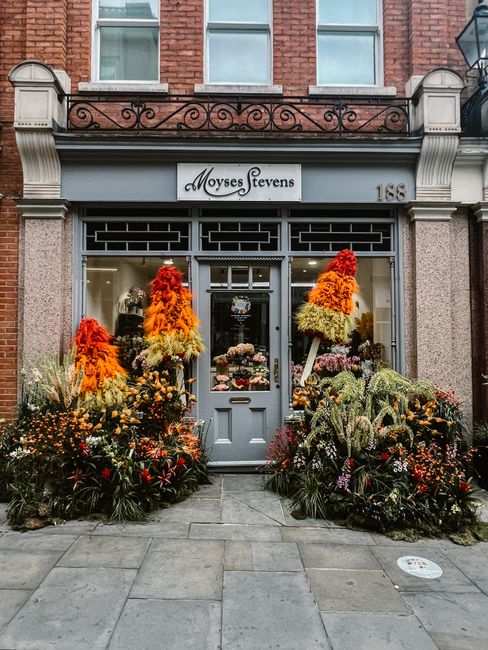
Kensington High Street is busy, visible, and not the sort of place where a display can be treated as an afterthought. Floral arrangements in public-facing spaces can affect footfall, shop presentation, accessibility, and sometimes even safety. That is why permits, permissions, and site rules matter more than many people expect.
In practical terms, a floral display can mean different things: a shopfront arrangement, a pavement planter, an event installation, a temporary promotional feature, or an interior display visible from outside. Each type may be treated differently. Some setups are straightforward. Others need landlord consent, business approval, or local authority consideration. Truth be told, the distinction is where people often trip up.
Why does this matter so much? Because even a small display can cause issues if it narrows footway space, blocks sightlines, sits too close to entrances, or uses materials not suited to public use. On a street as active as Kensington High Street, a florist or retailer has to think not only about beauty but also about movement, maintenance, and responsibility.
Expert summary: the safest approach is to treat every public-facing floral display as a small project, not just decoration. Check who owns the space, what the display touches, how long it will stay up, and whether it could affect access, cleaning, or compliance.
A lot of businesses also underestimate the practical value of planning early. If you know the permit path in advance, you can choose the right container, scale, and flowers for the site. That makes the display look better, last longer, and feel less like a rushed workaround. And, let's face it, rushed displays usually look rushed.
How Kensington High Street permits what to know for floral displays Works
The permit process for floral displays is usually less mysterious once you break it into layers. First, identify where the display will sit. Then determine who controls that space. After that, check whether the display is temporary or ongoing, decorative or promotional, freestanding or fixed, indoor or outdoor.
For many businesses, the approval journey can involve one or more of these steps:
- Site ownership check - Is the space part of your leased premises, a shared frontage, or public land?
- Landlord or managing agent approval - If the display affects the frontage, walls, awning, or communal area, consent may be needed.
- Street or pavement considerations - Anything that touches a pedestrian route should be assessed carefully for access and safety.
- Internal business sign-off - Retailers, restaurants, or event teams may need approval from brand, operations, or facilities teams.
- Installation plan - Size, fixings, watering, cleanup, and removal all matter.
Sometimes the answer is simply to keep the display fully within private property, away from any public obstruction. That can avoid a lot of paperwork. But if you want impact on the street-facing side, do not assume it is automatically allowed. A planter in the wrong place can create more admin than you bargained for.
Another thing worth noting: permits and approvals are not always the same as a licence. In everyday conversation people mix these up, but in practice the site owner may ask for written permission, conditions, or method statements rather than a formal permit. The name of the document matters less than the fact that you have clear, recorded approval.
For businesses wanting regular flower support rather than one-off styling, it can help to work with a local florist who already understands delivery timing, presentation, and care. A page like florist West Kensington W14 is a useful starting point if you want a nearby service that can keep arrangements looking polished without constant fuss.
Key Benefits and Practical Advantages
Getting the permit and approval side right is not just about avoiding trouble. It also improves the display itself. A well-planned floral feature looks cleaner, lasts longer, and is easier to maintain. That sounds obvious, but you would be surprised how often people skip the boring bits and then wonder why the roses wilt by lunchtime.
Here are the main benefits:
- Better visual impact - when the display is sized correctly, it looks intentional rather than improvised.
- Lower risk of removal or complaints - clear permission reduces the chance of a late-night takedown or awkward conversation.
- Safer public space - proper positioning helps keep entrances and walkways clear.
- Longer-lasting presentation - approved placements are easier to water, secure, and protect.
- More consistent brand image - especially important for boutique retail, hospitality, or event venues.
- Less disruption for staff - clear instructions mean fewer surprises on busy mornings.
There is also a subtle customer benefit. People notice care. A tidy floral display on a polished street tells passers-by that the business pays attention to detail. It gives the impression of calm competence, which matters whether you are selling gifts, running a venue, or staging an event.
If your display needs to be refreshed regularly, delivery convenience also becomes part of the advantage. Options such as same day flower delivery West Kensington W14 can be helpful for last-minute replacements or event-day fixes. In our experience, that kind of flexibility saves more than one slightly panicked afternoon.
Who This Is For and When It Makes Sense
This topic is relevant to a surprisingly wide group of people. If you are thinking, "surely this is only for big businesses," not quite. Small retailers, cafes, hotels, pop-up traders, event planners, and even private clients arranging a one-off display can all run into the same practical questions.
Who should pay close attention?
- Shop owners and florists planning window or frontage displays
- Hospitality venues using flowers for entrances, dining areas, or seasonal features
- Event organisers creating installations for launches, receptions, or brand activations
- Property managers overseeing shared frontages or commercial units
- Wedding or private-event planners needing temporary floral styling in visible spaces
It makes sense to think about permits early if the display is large, touches a shared area, uses heavy containers, or stays in place for more than a short period. The more public the setting, the more careful the planning should be. A simple vase on a counter is one thing. A line of floor-standing arrangements by the doorway is another.
For event-related floral work, it can also help to consider the occasion itself. If you are planning a celebration, browse ideas like wedding flowers West Kensington W14 or birthday flowers West Kensington W14 to see how different styles and scales can suit different kinds of space. The key is not just choosing pretty stems, but choosing a format that fits the site.
There are also moments when the sensible decision is to keep the display smaller. If access is tight or the permissions are unclear, a restrained arrangement inside the window may do more good than a larger setup that invites questions. Not every space wants to be transformed. Sometimes subtle is smarter.
Step-by-Step Guidance
If you want a straightforward way to handle Kensington High Street floral display planning, use a process like this. It is not glamorous, but it works.
- Define the purpose
Is the display for marketing, celebration, sympathy, seasonal styling, or brand atmosphere? A clear purpose makes every later decision easier. - Measure the space
Get practical dimensions: width, height, depth, doorway clearance, and any pinch points. A tape measure now saves a headache later. - Identify the controlling party
Check whether the space belongs to your business, a landlord, a management company, or a public authority. Permission usually starts here. - Decide if the display is temporary or ongoing
One-day events and permanent frontage features are treated differently. Duration changes the level of scrutiny. - Choose the display format
Options may include pedestal arrangements, planter boxes, vase groupings, window ledges, hanging features, or low freestanding pieces. - Check access and safety
Make sure people can still enter, exit, pass, and see clearly. Nothing should wobble into a walkway or block a door. - Agree maintenance responsibilities
Who waters the flowers? Who removes them? Who clears the petals after a busy day? Be specific. - Document approval
Save emails, written permission, notes on conditions, and any agreed installation limits. A simple paper trail can be very handy. - Install carefully
Use stable containers, secure bases, and clean finishes. Outdoor displays need extra attention because weather and foot traffic are not especially kind. - Review after the first day
Stand back. Is the display still neat? Is it crowding the space? Does it need trimming or repositioning?
A small real-world tip: do your first visual check at eye level and again from across the street. A display can look perfect up close and oddly skewed from ten metres away. Funny how that happens.
Expert Tips for Better Results
Good floral displays are not only about choosing beautiful flowers. They are about proportion, timing, and restraint. If you want the result to feel polished on Kensington High Street, these details matter.
Think about weather first, flowers second
Outdoor-facing displays face wind, sun, drizzle, and the occasional blast of busy street air. Choose varieties and containers that can cope. Strong stems and well-weighted bases help more than people think.
Keep sightlines open
People should be able to see entrances, signage, and passing pedestrians. A display that feels lush but hides the doorway is usually doing too much.
Use colour with purpose
Choose a palette that supports the brand or event. Soft neutrals can read elegant. Rich reds and pinks can feel celebratory. Mixed colours can look joyful, but only if the composition is controlled. Otherwise it can become a bit too shouty.
Prioritise maintenance over drama
There is a temptation to go big. Fair enough. But if the flowers need constant rescue, the display becomes a liability. Easier-care varieties, water-retentive mechanics, and simple replenishment plans are often the better choice.
Work with the seasons
Seasonal flowers are usually more natural-looking and more practical. Spring, summer, autumn, or festive themes can make a display feel current without overcomplicating it. If you want inspiration for seasonal styling, a category such as summer can help you think about what fits the time of year.
Use the site itself as a guide
Look at architecture, paving, railings, glass, and colour around the frontage. A floral display should sit with the street, not fight it. Kensington tends to reward elegant understatement, which is handy because elegant understatement is also easier to maintain. Win-win.

Common Mistakes to Avoid
A lot of floral-display problems are avoidable. Most of them come down to rushing. Here are the errors we see most often.
- Assuming permission is automatic - just because a display looks harmless does not mean it is allowed.
- Forgetting the access route - a lovely arrangement is still a problem if it narrows the path.
- Choosing the wrong scale - oversized arrangements can overwhelm a frontage and create practical issues.
- Using unstable containers - light pots and tall arrangements can tip over easily.
- Neglecting weather protection - outdoor arrangements need more care than indoor ones.
- Ignoring maintenance responsibility - if nobody owns the upkeep, the display will decline fast.
- Using overly fragrant flowers in tight spaces - not every scent is welcome in every setting.
- Mixing public and private space without checking - shared boundaries are where confusion tends to start.
One of the easiest mistakes to make is assuming that a display that worked elsewhere will work here too. Not necessarily. A setup that looked perfect in a quiet side street may feel cramped or awkward on a busier stretch of Kensington High Street.
And if the display is for a significant occasion, do not leave the flower selection until the last minute. A rushed choice tends to show. You know it when you see it.
Tools, Resources and Recommendations
You do not need fancy equipment to plan a floral display well, but a few practical tools make a real difference.
- Tape measure - for entrances, frontages, and display widths
- Site photos - take pictures from inside and outside the space
- Simple sketch or floor plan - even a rough drawing helps everyone understand the layout
- Approval email trail - keep written confirmation in one place
- Stable containers and weights - especially for freestanding arrangements
- Watering plan - decide who does it and when
- Waste and cleanup plan - petals and packaging should not linger
If you need a dependable local supplier for ongoing floral work, a useful place to start is flower delivery West Kensington W14. For customers who want something with a little more flexibility, best flower delivery West Kensington W14 may also be useful when timeliness and presentation both matter.
Useful supporting pages can also help with broader planning. For example, delivery explains how orders move through the process, while flower care is worth a look if you want displays to last rather than simply arrive. That part gets overlooked too often, to be fair.
Law, Compliance, Standards, or Best Practice
Because floral displays can affect public movement, the main compliance question is usually not about flowers themselves, but about space use, safety, and responsibility. Depending on the setting, you may need to consider access requirements, landlord terms, premises rules, and the practical duty not to create avoidable hazards.
While requirements can vary, the best-practice principles are fairly consistent:
- Do not obstruct entrances, exits, or walkways
- Keep displays stable and secure
- Avoid creating trip hazards
- Make sure maintenance is manageable
- Respect lease and property conditions
- Keep written records of approvals and agreed limits
If a display is close to a public route, it is wise to think carefully about how people move past it during busy periods, deliveries, or poor weather. Wet pavement, a crowded frontage, and a narrow planter is not a good combination. Common sense goes a long way here.
For larger installations, it may also be sensible to work with a florist who can provide a neat, controlled finish and understands event timing. A shopfront or venue display can look wonderful, but only if it is practical enough to stay that way. If you need a broader commercial or occasion range, pages like luxury flowers, flowers in a vase, and florist choice can help you compare styles that suit different levels of formality and maintenance.
Options, Methods, or Comparison Table
Different display methods suit different spaces. Here is a simple comparison to help you choose the right approach.
| Display method | Best for | Advantages | Watch out for |
|---|---|---|---|
| Window display | Retail fronts, promotional styling | Highly visible, usually easier to control | Can fade in strong sun, needs regular refresh |
| Freestanding planter | Entrances, pavement-adjacent areas | Strong visual impact, flexible positioning | Needs stability, can affect access if oversized |
| Interior feature visible outside | Restaurants, boutiques, receptions | Less exposure to weather, easier upkeep | May be less noticeable from the street |
| Seasonal installation | Campaigns, celebrations, festive periods | Memorable and timely | Requires planning and usually a removal date |
| Small curated arrangement | Restricted spaces, simple approval paths | Low risk, easy to maintain | May not create enough visual impact for larger sites |
In practice, the best option is often the one you can maintain properly. Big is not automatically better. A neatly framed display with the right flowers can beat a more ambitious arrangement that starts collapsing by day two.
If you are deciding on style, occasion-specific pages can also help narrow the brief. For instance, anniversary, thank you, and romance love can point you toward tones that feel appropriate without overcomplicating the display concept.
Case Study or Real-World Example
Picture a small boutique just off Kensington High Street planning a spring window refresh. The owner wants something elegant enough to catch the eye from the pavement, but not so large that it blocks the view into the shop. The display also needs to last for several weeks, with regular top-ups.
Instead of jumping straight into buying flowers, the team measures the window depth, checks whether any frontage elements sit within shared space, and confirms what can be placed directly inside the glass line. They choose a low, wide arrangement rather than a tall one, because the view through the window matters as much as the display itself.
They also keep the palette restrained: whites, pale pinks, and a touch of green. It feels calm, premium, and seasonal. A small printed care note sits behind the display so staff know when to water and refresh it. Nothing dramatic. Just a thoughtful setup that makes the shop look cared for.
The result? Less disruption, fewer maintenance problems, and a frontage that feels quietly confident. Passers-by notice it. Staff don't dread it. That is usually a good sign.
Practical Checklist
Use this checklist before any floral display goes live on or near Kensington High Street.
- Have you confirmed who controls the space?
- Have you checked whether written permission is needed?
- Have you measured the area carefully?
- Will the display leave entrances and walkways clear?
- Is the arrangement stable and weather-aware?
- Do you know who will maintain it?
- Have you set a removal date or review date?
- Have you documented any approval conditions?
- Does the colour palette suit the brand or occasion?
- Will the flowers still look good after a busy trading day?
If you can tick all of those off, you are in much better shape than most people who rush into it. Simple, but effective.
For related planning and product ideas, you might also look at best sellers and all flowers to get a sense of what tends to work well in everyday settings.
Conclusion
Understanding Kensington High Street permits what to know for floral displays is really about balancing beauty with practicality. If you check permissions early, size the arrangement properly, and plan for maintenance, you can create a display that feels polished rather than risky. That is the sweet spot.
The best floral displays do more than decorate a space. They make a frontage feel cared for, calm, and memorable. Whether you are planning a shop window, an event entrance, or a seasonal feature, the same principle applies: know the space, respect the rules, and let the flowers do their work.
Get a free quote today and see how much you can save.
And if you take one thing from this guide, let it be this: a well-planned display always feels easier to love. That little bit of forethought goes a long way.
Frequently Asked Questions
Do I need a permit for floral displays on Kensington High Street?
It depends on where the display sits, how big it is, how long it stays up, and who controls the space. A display fully inside your premises may need only internal approval, while anything affecting shared or public space may need written permission or further checks.
What counts as a floral display rather than just a bouquet?
In practical terms, a floral display usually means something arranged for visibility, presentation, or atmosphere, such as a window feature, planter, entrance arrangement, or event installation. A small hand-tied bouquet on a counter is usually a different kind of setup.
Can I place flowers on the pavement outside my business?
Sometimes, but only if the space is approved and the arrangement does not block movement or create hazards. Pavement placements are the sort of thing you should not assume is fine just because it looks neat. Check before you put anything out.
Who usually gives permission for a display?
That depends on the site. It may be a landlord, managing agent, building owner, business owner, or, in some cases, a relevant public-space authority. The first job is to identify who actually controls the area.
How far in advance should I plan a floral display?
For a simple indoor display, a few days may be enough. For a street-facing or event-related setup, give yourself more time so you can sort measurements, approvals, delivery, and installation without rushing.
What flowers are best for a public-facing display?
That depends on the season, budget, and maintenance level. Strong-stemmed blooms and reliable greenery usually work well. If the display must last, choose varieties that can handle light, heat, and handling a little better than the most delicate options.
Are temporary floral displays easier to approve?
Usually, yes. Temporary displays are often simpler than permanent ones because they involve less long-term commitment. Still, temporary does not mean permission-free. Short-lived setups can still affect access and safety.
What if my display is inside the shop but visible from outside?
That is often easier than placing something outside, but it still needs to suit the frontage and not create a visibility issue for staff or customers. Interior displays can be a very smart compromise.
How do I keep flowers looking fresh on a busy street?
Choose sturdy arrangements, plan regular maintenance, keep them away from direct heat where possible, and use containers that are stable and easy to service. A refresh plan matters more than people think.
Can floral displays be used for weddings, funerals, or corporate events nearby?
Absolutely. Those occasions often need more structured planning because timing and presentation matter. For event-specific styles, it helps to look at relevant categories such as wedding and sympathy ranges so the display matches the tone of the occasion.
What is the biggest mistake people make with floral display permissions?
The biggest mistake is assuming someone else has already approved it. That assumption causes more problems than almost anything else. Always check the space, confirm the control, and get the okay in writing where possible.
Where should I start if I want help choosing the right floral style?
Start with the purpose of the display and the space it will occupy. Then look at style categories that fit the occasion and maintenance level. If you need help, a local florist can usually steer you toward a practical option without making it all more complicated than it needs to be.